Delivery at Robyn Dodd is slow by design. This page sets out the order of work behind each issue: how pitches are read, which pieces go to a second reader, when photography is commissioned, and what contributors can realistically expect between an accepted idea and a printed page.
Most of our features begin as a short pitch and end as a 1,800 to 3,000 word essay with photographs. Between those two points there are edits, fact checks, and a few honest conversations about what the story is actually about. Here is how that usually runs.
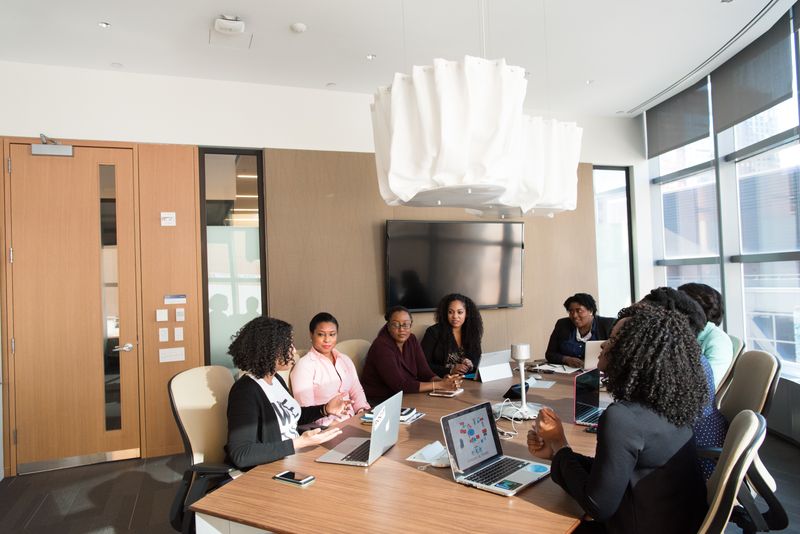
Pitches land in a shared inbox read by the editor and one contributing editor. If a story fits an open slot, you hear back with questions rather than a yes or no. Silence past fourteen days means it is not moving forward this cycle.
The first pass deals with shape: what the piece opens on, where the reporting sits, what gets cut. The second pass is closer, sentence by sentence. You see both versions and can push back on either.
If you shoot your own frames, we ask for a mix of wide establishing shots and close detail. If you do not, we commission a documentary photographer in your region. Either way, captions are written with the contributor, not for them.
Names, dates, place names and quoted figures are verified against a source list you supply. This step has caught more errors than any other, and it is not optional, even for personal essays.
From accepted draft to live page, plan on about six weeks. Regional pieces with travel involved take longer. We publish on a rolling schedule rather than holding everything for a single issue.
Contributors retain credit and can republish after ninety days with a note pointing back. We ask for first publication rights only, which matters if the piece later becomes part of a book or a portfolio.
Still weighing whether a story is worth the work? Read a recent planning session or send the editor a note.
Every feature in Robyn Dodd passes through the same sequence, whether it comes from a staff writer in Cape Town or a first-time contributor in Pietermaritzburg. Here is what that looks like in practice, and where the delays usually sit.
Week 1
Pitch and brief
A pitch arrives by email with a region, a working title and two or three sentences on why the story belongs in the archive. We reply within four working days, either with a commission, a request for a tighter angle, or a note that it fits a later issue better. Commissions come with a word count, a deadline and the section it will run under.
Weeks 2 to 5
Reporting and first draft
This is the longest stretch and the one most likely to slip. Interviews get rescheduled, a drive to the Karoo waits on weather, a maker's studio is only free on Sundays. We ask contributors to send a short progress note halfway through so nobody is guessing in silence. First drafts land as plain text, with photo captions and location notes kept separate.
Week 6
Edit and fact check
An editor reads for structure first, then line by line. Names, dates, place spellings and recipe quantities are checked against the contributor's own notes. If a claim cannot be sourced, it comes out rather than gets softened. Contributors see the edited version once and can flag anything that misrepresents what they said.
Week 7
Layout and photography
Documentary images are placed alongside the text, not on top of it. We work with a small pool of photographers across the Western Cape, KwaZulu-Natal and Gauteng, and occasionally with a contributor's own frames when the access was theirs. Captions record who, where and when, because an archive without that detail ages badly.
Week 8
Publish and letter
The piece goes live under its section, and the weekly letter carries a short note on what is inside and why it was made. Corrections after publication are logged at the foot of the page with the date, not quietly rewritten. Back issues stay in the archive by theme and region.